When The Sopranos premiered on HBO in 1999, it changed television forever. Creator David Chase shattered the traditional image of the mob boss trading the glorified violence of The Godfather and Goodfellas for a brutally intimate look at the mental health and emotional burdens of leadership.
At the centre was James Gandolfini’s Tony Soprano, a mafia kingpin plagued by anxiety, depression, and existential dread. He was both terrifying and tender, violent yet vulnerable, embodying the contradictions of the modern antihero.
By the time the show ended in 2007, The Sopranos had transformed how audiences viewed morality and power. Its open-ended finale remains one of the most analysed moments in television history, and as fans continue to debate whether Tony lived or died, one line from Season 5 has emerged as the key to understanding his fate.
“Every decision you make affects every facet of every other f— thing. It’s too much to deal with! And in the end, you’re completely alone with it all.” — Tony Soprano, “All Due Respect” (Season 5)
This moment, hidden in plain sight, may have predicted Tony’s psychological and physical downfall years before the series ended.
Introduction: Tony Soprano — The Antihero Who Couldn’t Escape Himself
Tony Soprano was a man divided. As the boss of the DiMeo crime family, he commanded fear and respect. As a father and husband, he struggled to maintain normalcy. And as a patient of Dr. Jennifer Melfi (Lorraine Bracco), he revealed the brokenness that defined him.
Through Gandolfini’s nuanced performance, audiences saw the impossible weight of leadership. Tony’s world was filled with luxury, power, and loyalty yet beneath it all, he was suffocating. His sessions with Melfi made clear that his criminal empire wasn’t a path to freedom but a psychological cage.
That tension between external strength and internal decay culminated in a single line from Season 5’s finale, “All Due Respect.”
Overview: Tony Soprano — The Antihero
| Aspect | Details |
|---|---|
| Series Title | The Sopranos |
| Creator | David Chase |
| Main Star | James Gandolfini as Tony Soprano |
| Network | HBO |
| Original Run | 1999–2007 |
| Critical Acclaim | 21 Primetime Emmy Awards, 5 Golden Globes |
| Defining Theme | The psychological cost of leadership and crime |
| Famous Line | “You got no f— idea what it’s like to be #1.” |
| Key Episode | Season 5, Episode 13 — “All Due Respect” |
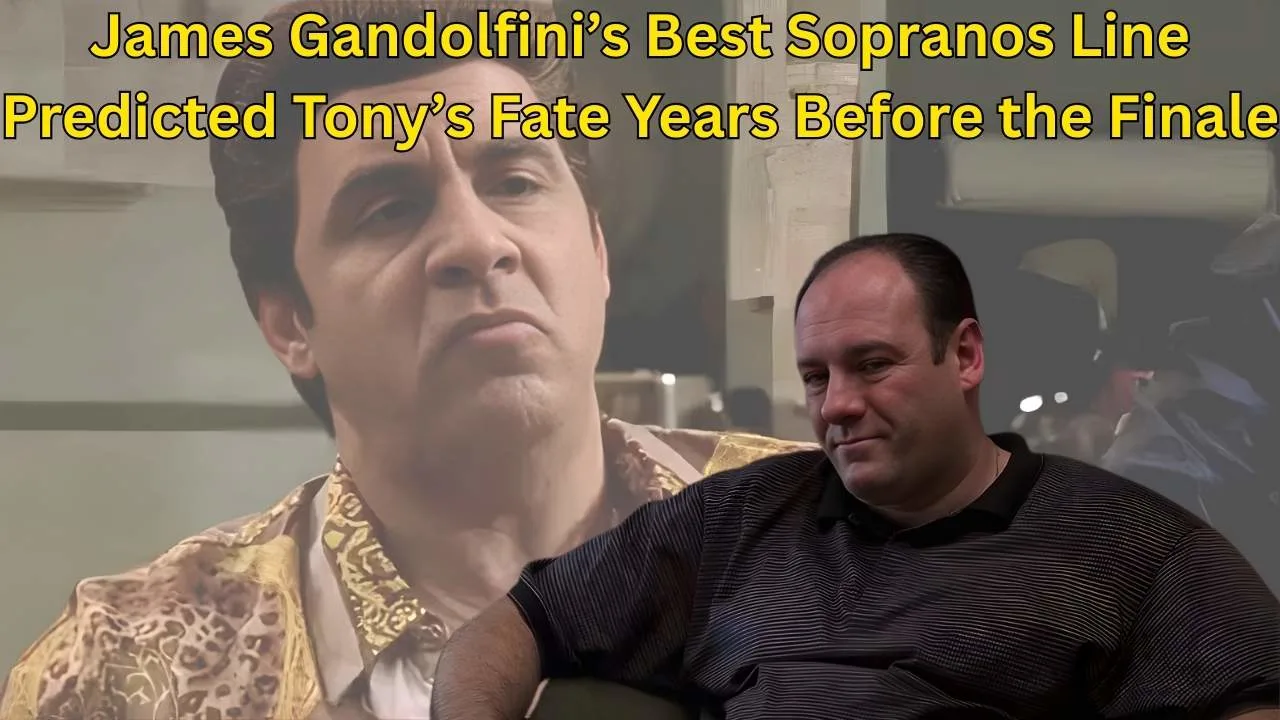
The “All Due Respect” Conversation: A Glimpse Into Tony’s Soul
In “All Due Respect,” Tony faces growing tension within his organisation following the deaths of Adriana La Cerva and Tony Blundetto. The episode’s pivotal scene takes place in the Bada Bing office, where Tony and his trusted consigliere, Silvio Dante (Steven Van Zandt), confront the crushing responsibility of leadership.
Silvio, usually loyal to a fault, dares to challenge his boss:
“All due respect, you got a problem with authority.”
Tony snaps back, insisting that no one not even his closest allies, understands what it means to be in charge:
“All due respect, you got no f—in’ idea what it’s like to be #1. Every decision you make affects every facet of every other f—in’ thing. It’s too much to deal with! And in the end, you’re completely alone with it all.”
At first glance, Tony’s words seem like a defence of his leadership. But beneath the bravado, they reveal something far darker: his internal acknowledgement that his life is unsustainable.
TV historian Michael Ryan explains:
“That moment captures the essence of Tony Soprano. He’s not bragging; he’s confessing. It’s loneliness disguised as power.”
The Psychological Themes Hidden in Tony’s Line
| Quote Element | Psychological Meaning | Foreshadowed Outcome |
|---|---|---|
| “Every decision you make…” | Overwhelming pressure of leadership | Emotional collapse under constant stress |
| “It’s too much to deal with!” | Signs of depression and anxiety | Tony’s therapy sessions and panic attacks |
| “You’re completely alone with it all.” | Emotional isolation and existential dread | Tony’s solitary, ambiguous end |
The camera lingers after Tony’s outburst, showing him alone in shadow, puffing his cigar. For the first time, the “boss” doesn’t look powerful he looks defeated.
That final shot, where darkness consumes the room, mirrors the series’ final cut to black two seasons later, suggesting that this confession was more than frustration; it was a premonition.
Tony’s Loneliness: The True Enemy of The Sopranos
Throughout The Sopranos, Tony surrounds himself with family, soldiers, and wealth. Yet, paradoxically, he’s isolated from everyone. His wife, Carmela (Edie Falco), tolerates his infidelity for stability. His crew obeys him but fears him. Even Dr Melfi, the one person who sees him honestly, ultimately abandons him when she realises therapy only enables his violence.
Tony’s greatest curse isn’t the law or rival mobs, it’s his loneliness. The weight of being “#1” is a spiritual death sentence.
Psychologist Dr Elaine Turner notes:
“Tony’s depression isn’t just chemical — it’s existential. He lives in a world where empathy is weakness and power isolates. That’s what makes his story so tragic and so universal.”
This emotional solitude becomes the defining motif of his downfall. Each season strips away another layer of his support system until only Tony remains consumed by paranoia and guilt.
The Black Screen: Death, Purgatory, or Eternal Isolation?
The Sopranos finale, “Made in America,” remains one of the most dissected endings in TV history. When the screen cuts to black as Tony eats dinner with his family, viewers are left suspended between life and death.
Was he shot in front of his family? Did he live on in fear, waiting for his inevitable end?
Tony’s Season 5 line, “You’re completely alone with it all”, seems to answer both possibilities. Whether he dies or not, Tony’s existence has already become a kind of purgatory. The endless mental strain, guilt, and alienation mean that death, literal or metaphorical, is the only release left.
Cultural critic Renee Marshall explains:
“The black screen isn’t death — it’s Tony’s internal void. His consciousness ends the way he lived: in isolation, darkness, and uncertainty.”
Interpretations of Tony’s Fate
| Theory | Explanation | Evidence from the Series |
|---|---|---|
| Tony dies instantly | He’s assassinated by a rival; the cut to black represents death. | Foreshadowed by Bobby Bacala’s line: “You probably don’t even hear it when it happens.” |
| Tony lives on in fear | The darkness symbolizes his paranoia and anxiety — a living death. | Supported by Tony’s Season 5 quote about isolation and pressure. |
| Tony’s mind collapses | The cut represents his psychological “blackout” — mental and emotional exhaustion. | Echoes his therapy sessions and depressive outbursts. |
Gandolfini’s Legacy: A Performance Beyond Television
James Gandolfini’s portrayal of Tony Soprano remains one of the most celebrated in television history. His ability to blend brutality with fragility gave depth to a character that could have easily been one-dimensional.
In his performance, Tony’s Season 5 outburst feels deeply human, not a mobster’s threat but a man’s confession. Gandolfini’s nuanced delivery transforms the line into something prophetic, hinting that Tony’s fate was sealed long before the finale.
“You see the exhaustion in his eyes,” said actor Steven Van Zandt (Silvio Dante) in a 2020 interview. “That moment wasn’t acting — it was real emotion. Jimmy carried the weight of Tony on his shoulders, just like Tony carried the world on his.”
Why Tony Soprano Still Matters Today?
Nearly two decades later, The Sopranos feels more relevant than ever. In an age of burnout, social pressure, and emotional fatigue, Tony’s lament “It’s too much to deal with” speaks to modern audiences in ways Chase never could have anticipated.
The show’s exploration of mental health, loneliness, and existential despair transcends its crime-drama roots. Tony’s story reminds viewers that unchecked ambition and emotional repression inevitably lead to collapse whether in organized crime or everyday life.
Media scholar Dr. Lauren Green reflects:
“Tony Soprano isn’t a villain or a hero. He’s a mirror. His pain is ours, just amplified through violence and power. That’s why his story endures.”
FAQs
The line appears in Season 5, Episode 13: “All Due Respect.”
It reflects his emotional exhaustion and loneliness as a leader, foreshadowing his eventual isolation or death.
The series leaves it ambiguous, but many fans interpret the cut to black as Tony’s death or psychological collapse.
It redefined television by blending cinematic storytelling with psychological realism and antihero complexity.
Gandolfini brought empathy and humanity to Tony, turning him into one of the most compelling characters in modern media.
