When The Midnight Club premiered on Netflix in October 2022, horror fans expected another Mike Flanagan masterpiece. After all, Flanagan had already given audiences The Haunting of Hill House, Bly Manor, Midnight Mass, and The Fall of the House of Usher all widely acclaimed for their deep storytelling and emotional resonance.
Unlike his previous anthology-style shows, however, The Midnight Club was designed to be a multi-season saga. With an 85% critic score on Rotten Tomatoes and a dedicated fanbase, it seemed destined for longevity. But fate and corporate decisions had other plans. After Flanagan signed a new deal with Amazon Studios, Netflix quietly cancelled the series, leaving behind a haunting question: What could have been?
As horror critic Laura Pruitt described,
“Flanagan’s The Midnight Club wasn’t about monsters in the dark, it was about the fear of dying without finishing your story.”
Introduction to The Midnight Club
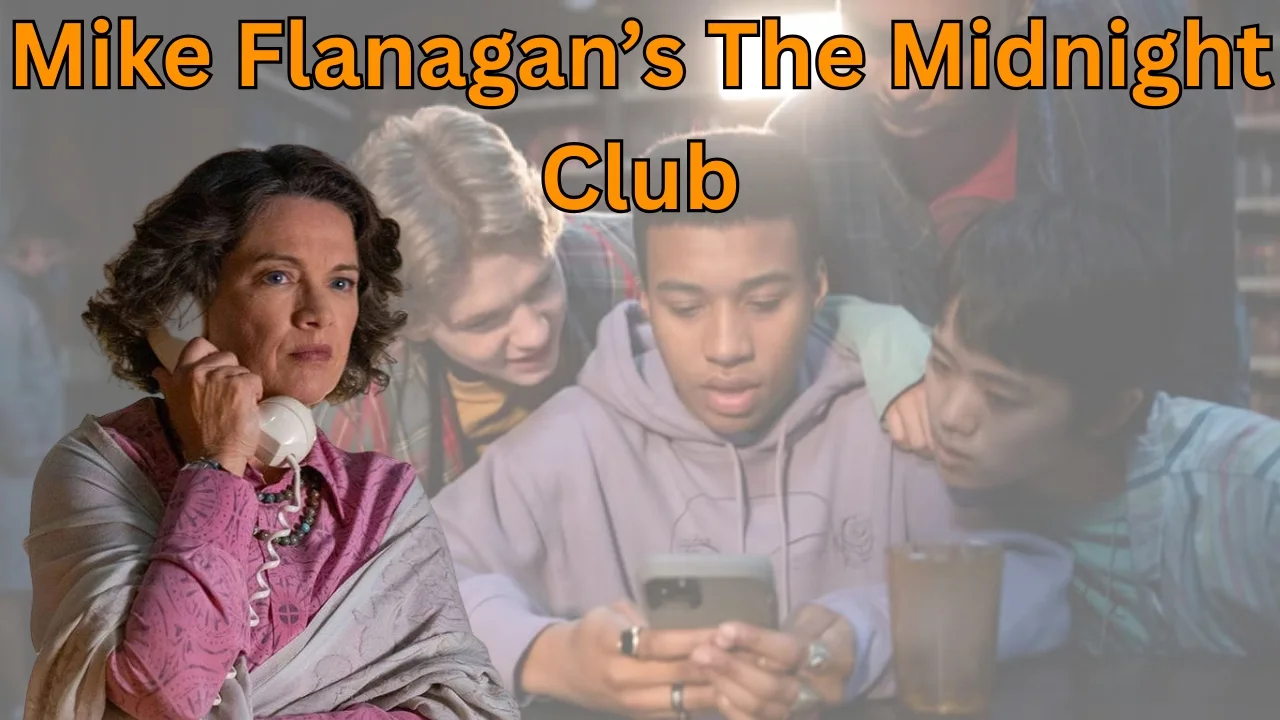
Based on the 1994 novel by Christopher Pike, The Midnight Club follows a group of terminally ill teenagers living at Brightcliffe Hospice. In this eerie yet peaceful mansion, they spend their final days. Each night at midnight, they gather around to share scary stories some chilling, others tragic, but all reflections of their own lives.
The show’s protagonist, Ilonka (played by Iman Benson), is the newest resident at Brightcliffe. As she explores the hospice’s secrets, she uncovers its dark history, a mysterious cult, hidden passages, and the possibility of life after death.
| Overview of The Midnight Club | Details |
|---|---|
| Creator | Mike Flanagan |
| Based On | The Midnight Club (1994) by Christopher Pike + other Pike novels |
| Release Date | October 7, 2022 |
| Genre | Horror / Mystery / Drama |
| Setting | Brightcliffe Hospice, Seattle (1994) |
| Main Cast | Iman Benson, Ruth Codd, Igby Rigney, Annarah Cymone, Aya Furukawa, Heather Langenkamp, Zach Gilford |
| Rotten Tomatoes Score | 85% (Critics) / 55% (Audience) |
| Platform | Netflix |
| Status | Canceled after one season |
A Story About Stories: How The Midnight Club Stood Apart?
Unlike typical horror series, The Midnight Club thrives on the art of storytelling. Each episode blends the teens’ real experiences with the fantastical horror tales they tell each night, creating a story-within-a-story structure that pays homage to Pike’s legacy.
As Flanagan explained in an interview,
“It was never just a horror show. It was a love letter to storytelling itself — to the people who use stories to make sense of death, grief, and hope.”
The anthology format allowed every character to shine through their own story. Whether it was Anya’s haunting monologue about her fading strength or Ilonka’s obsession with Brightcliffe’s past, every midnight meeting revealed another layer of the group’s emotional journey.
Film scholar Dr. Martin Reyes notes,
“Flanagan uses horror not to scare, but to heal. The Midnight Club is therapy disguised as a ghost story.”
The Cast That Brought Brightcliffe to Life
Flanagan, known for reusing his trusted troupe of actors, took a different approach with The Midnight Club. He cast mostly newcomers, giving fresh faces a chance to shine alongside familiar ones.
- Iman Benson (Ilonka): The ambitious teen who believes there’s a cure for her illness hidden within Brightcliffe.
- Ruth Codd (Anya): A sarcastic amputee with a tragic backstory — widely praised for her raw performance.
- Igby Rigney (Kevin): A sensitive soul and fellow storyteller with a painful secret.
- Heather Langenkamp: The legendary Nightmare on Elm Street star plays Dr. Stanton, the mysterious head of Brightcliffe.
Flanagan regulars like Henry Thomas, Samantha Sloyan, and Zach Gilford appear in supporting roles, adding continuity for fans of his earlier works.
As Ruth Codd reflected in an interview,
“It wasn’t just a horror show. It was about finding beauty in pain, laughter in dying, and friendship when all hope is gone.”
The Power of Hope in the Face of Death
Despite being set in a hospice, The Midnight Club is not about dying — it’s about living. Every character faces their mortality not with despair, but with defiance. Their nightly storytelling sessions become a rebellion against fate, a way to keep their voices alive.
Ilonka says in the pilot episode:
“We’re the authors of our own stories.”
That quote became the emotional spine of the series. Through tales of ghosts, monsters, and parallel worlds, these teens explore their deepest fears and hopes. Their pact that whoever dies first will try to contact the others from beyond embodies the show’s delicate balance of horror and hope.
As critic Maya Levine writes,
“The Midnight Club isn’t about haunting others. It’s about refusing to be forgotten.”
Why the Show Was Cancelled Despite Its Potential?
Flanagan originally planned The Midnight Club as a multi-season series, adapting more of Christopher Pike’s vast library over 28 interconnected novels to expand the universe. But in December 2022, Netflix officially cancelled the show after one season.
The timing was bittersweet: Flanagan and his longtime collaborator Trevor Macy had just signed an exclusive deal with Amazon Studios to produce new projects. Netflix, losing its star horror creator, chose not to continue the series.
In a heartfelt Tumblr post, Flanagan shared details of the canceled Season 2:
“We had all the scripts ready. The plan was to explore the afterlife through the characters’ stories to show who crossed over and who found peace. It’s heartbreaking we’ll never get to tell it.”
For fans, the cancellation was a devastating cliffhanger. The season finale hinted at larger mysteries: Dr. Stanton’s hidden tattoos, the cult’s deeper connection to Brightcliffe, and the truth about the mirror world. None of it would be resolved.
Key Themes and Symbolism
| Theme | Description |
|---|---|
| Mortality & Acceptance | Teens facing terminal illness come to terms with death through shared storytelling. |
| Storytelling as Healing | Narratives act as therapy, allowing each character to confront trauma symbolically. |
| Spiritual Continuity | Explores the afterlife and rebirth — echoes of Pike’s original novels. |
| Friendship & Found Family | Brightcliffe’s residents form a family that supports one another through fear and faith. |
| Hope Over Despair | Despite loss and pain, the series emphasizes life’s small joys and moments of grace. |
Critical Reception and Audience Divide
While critics lauded The Midnight Club for its ambition, atmosphere, and heartfelt performances, audience reactions were mixed.
| Metrics | Details |
|---|---|
| Rotten Tomatoes (Critics) | 85% “Certified Fresh” |
| Rotten Tomatoes (Audience) | 55% |
| IMDb Rating | 6.5/10 |
| Common Praise | Character depth, emotional writing, thematic maturity |
| Common Criticism | Slow pacing, limited scares, cliffhanger ending |
Many viewers expected a more traditional horror show in line with Hill House or Usher, but The Midnight Club leaned toward introspection.
As media analyst Paul Stanton observed,
“Flanagan traded jump scares for quiet pain — and not everyone was ready for that.”
Comparison: The Midnight Club vs. Other Flanagan Hits
| Series | Tone & Focus | RT Score | Status |
|---|---|---|---|
| The Haunting of Hill House | Gothic horror, grief, family trauma | 93% | Completed |
| The Haunting of Bly Manor | Romantic tragedy, ghostly love | 88% | Completed |
| Midnight Mass | Religious horror, existential dread | 86% | Completed |
| The Fall of the House of Usher | Power, guilt, and decadence | 90% | Completed |
| The Midnight Club | Mortality, youth, hope through fear | 85% | Canceled after 1 season |
Why The Midnight Club Still Matters in 2025?
Three years later, The Midnight Club remains one of Netflix’s most underappreciated shows. It’s a meditation on storytelling, loss, and how we face death, universal themes that resonate even beyond the horror genre.
Its cancellation feels particularly painful because it stood for something rare in modern streaming: hope within horror. In an era dominated by nihilism, The Midnight Club reminded viewers that even in dying, we can find meaning.
As Mike Flanagan said in 2022:
“Every story is a goodbye, but the telling makes it beautiful.”
That philosophy encapsulates the spirit of The Midnight Club, a series that died too young but left an indelible mark.
FAQs
No, it’s based on the 1994 novel The Midnight Club by Christopher Pike, along with elements from his other horror novels.
The cancellation followed Flanagan’s move to Amazon Studios, ending Netflix’s long-standing collaboration with him.
Flanagan revealed that the next season would explore the afterlife, Brightcliffe’s cult origins, and new residents joining the hospice.
Christopher Pike wrote more than 28 interconnected novels, providing years of potential storylines.
Absolutely. It’s one of Flanagan’s most heartfelt works, less about horror, more about human connection.
As of 2025, no revival is confirmed, though fans continue to campaign for an adaptation of Pike’s wider universe on Amazon or elsewhere.
